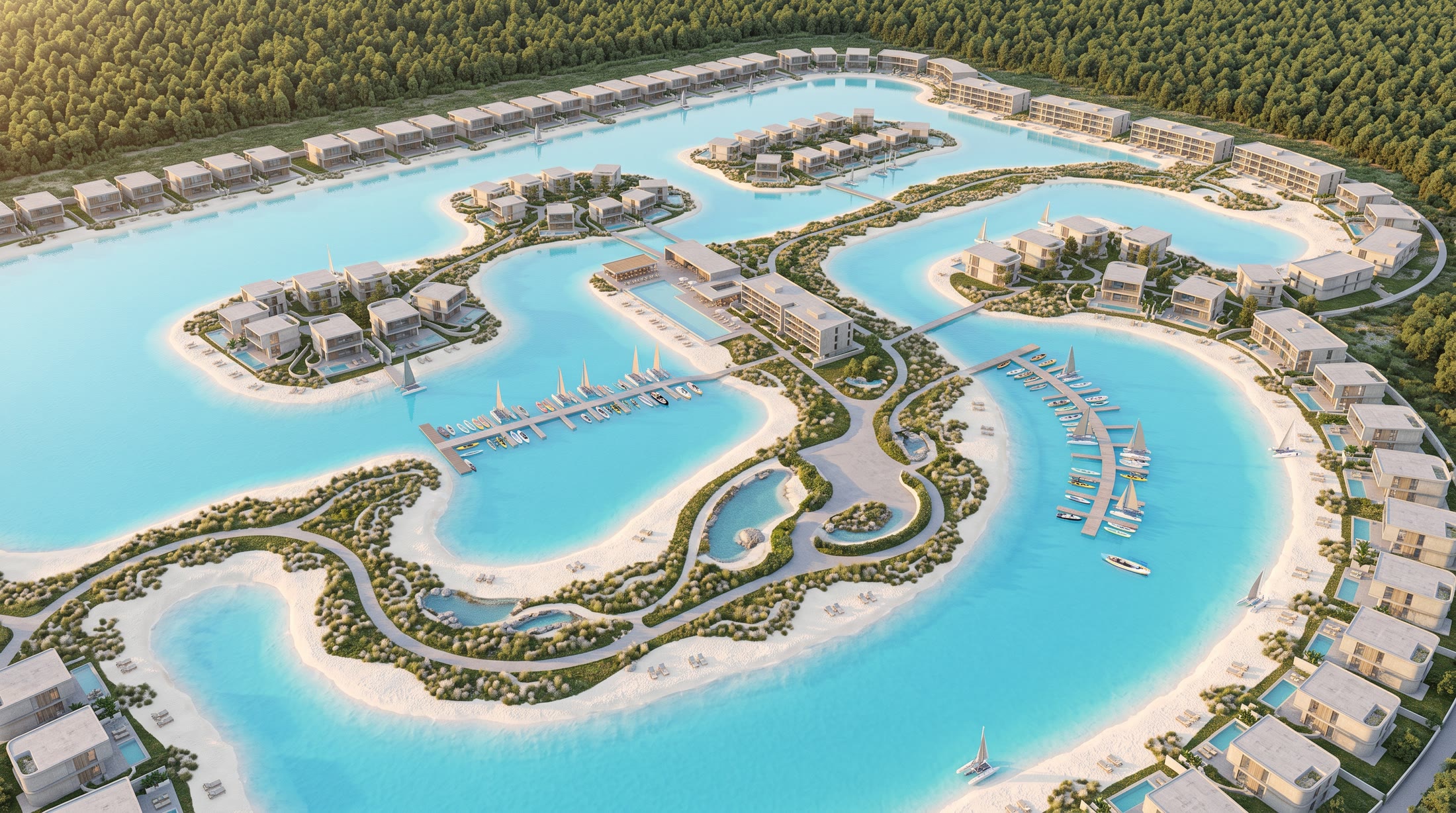
Waterfront and lagoon
Where water
sets the rhythm.
A direction for communities organized around water: engineered lagoons planned on uplands, wetlands kept as protected landscape, and shared edges designed for daily use, from an early walk on the promenade to an evening at the edge.
Artist visualization. Subject to change.
A day on the water
One ordinary day, planned around the edge.
A good way to test a waterfront plan is to walk it hour by hour and ask what the place must provide at each moment. Water is more than a view takes the idea further.
First light
Still water, cool shade
The promenade sits in the shadow of the buildings beside it, and the water is calm enough for a walk along the edge or a paddle before the day warms up.
Midday
Shade does the work
Tree canopy, deep overhangs, and covered terraces turn the hottest hours into time outdoors. A café terrace faces the water from under a deep roof.
Late afternoon
Many kinds of edge
A sandy margin, a sloping lawn, and broad steps for sitting each invite something else: a swim where the lagoon is designed for it, a game, a book, or nothing at all.
After dark
Light where people are
Low lighting along the walk and warm light from terraces keep the edge in use at night, while the wetland beyond is left dark for the wildlife that depends on it.
Principles
Three ideas the plan holds on to.
- 01
Water is the front door
Streets, arrival, and view corridors are arranged so the water is part of the everyday route rather than a backdrop seen from a few lots. Public edges keep it shared.
- 02
Resilience begins early
Flood zones, storm surge, heavy rain, and salt air are studied before the site plan is drawn, because in Florida they decide where homes and water belong.
- 03
A place beyond the lot
A home at the water is only as good as the walk, the shade, the gathering places, and the landscape around it. The plan is judged as a whole place, not a collection of lots with a view.
Lagoons and wetlands
Lagoons on uplands. Wetlands as landscape.
An engineered amenity lagoon is a built feature: shaped, lined, filtered, and maintained. It belongs on uplands, the dry and buildable part of a site, where it can be built and cared for away from sensitive natural systems. Wetlands are something else entirely. They store stormwater, filter runoff, and shelter wildlife, so the plan keeps them as protected landscape and open space that give the community its quietest edges. In Florida, where wetlands are closely regulated, qualified professionals map them before any layout is drawn.
Site conditions
What has to be true on the site.
A waterfront direction depends on facts the land either has or lacks. Mark what is already known about a site. What remains open becomes the first list of studies.
Your result
Your site notes
The list below holds what you marked as known: facts worth bringing to a first conversation. Anything left unchecked is not a verdict on the land; it is where a waterfront study would begin.
This stays on this page. Nothing is sent or stored.
Homes and the edge
Every home has a relationship to the water.
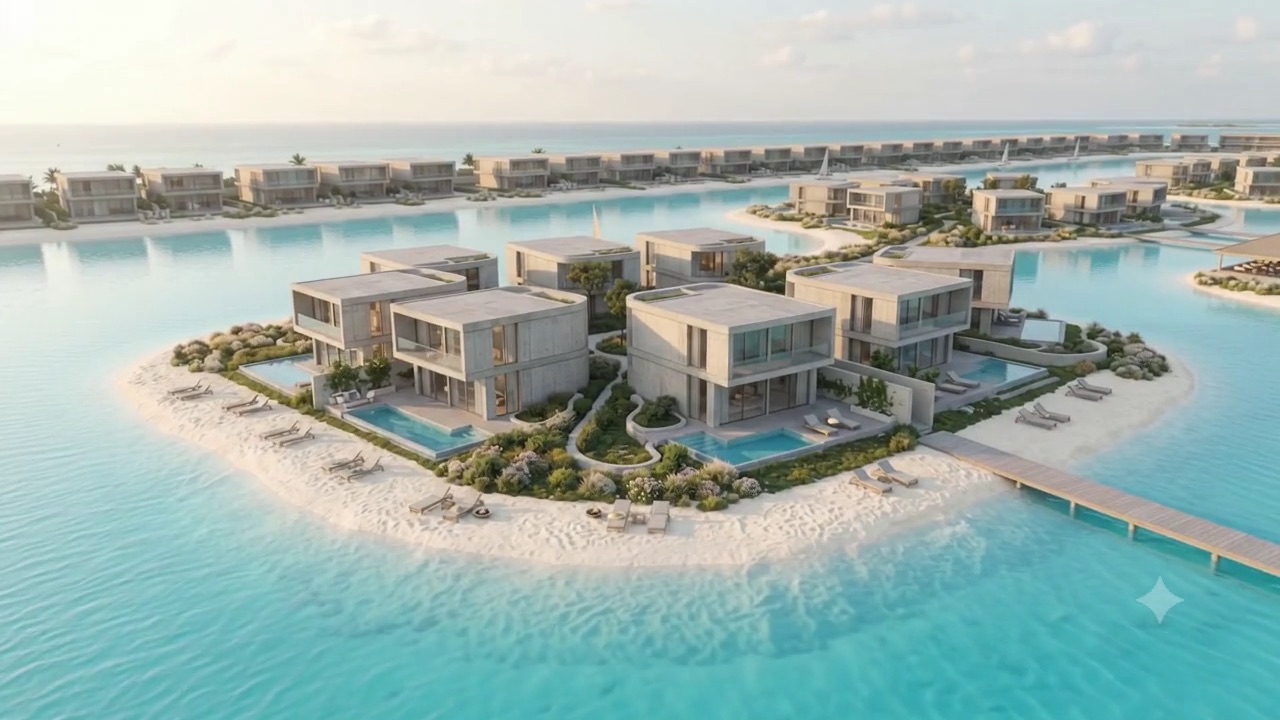
Not every home can sit on the edge, and a good plan does not pretend otherwise. It gives each home a clear way to reach, see, or use the water.
- On the edge
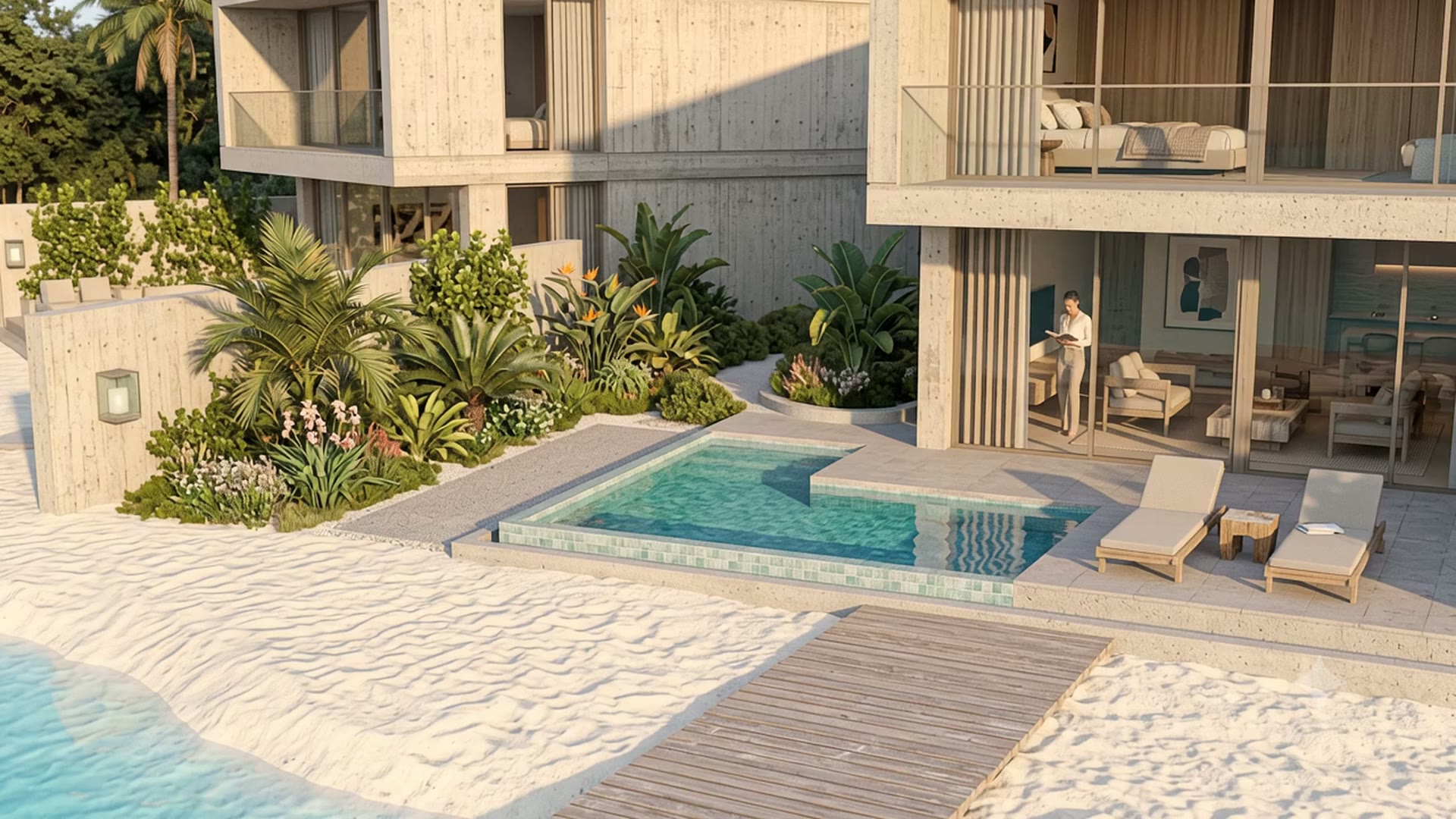
- Gardens and terraces meet the water directly, so the private edge is designed as carefully as the rooms behind it.
- Across the promenade
- Homes face a public walk along the water, trading a private edge for a shared one that stays open to the whole community.
- Along a green corridor
- Landscaped corridors run from inner streets down to the water, keeping the walk to the edge short and shaded.
- Facing the wetland
- Some homes look onto protected wetland, where the view is native planting, open sky, and birdlife rather than open water.
- Views from height
- Mid-rise residences near the lagoon take the view from above and give the ground floor back to the promenade.
Homes for this direction
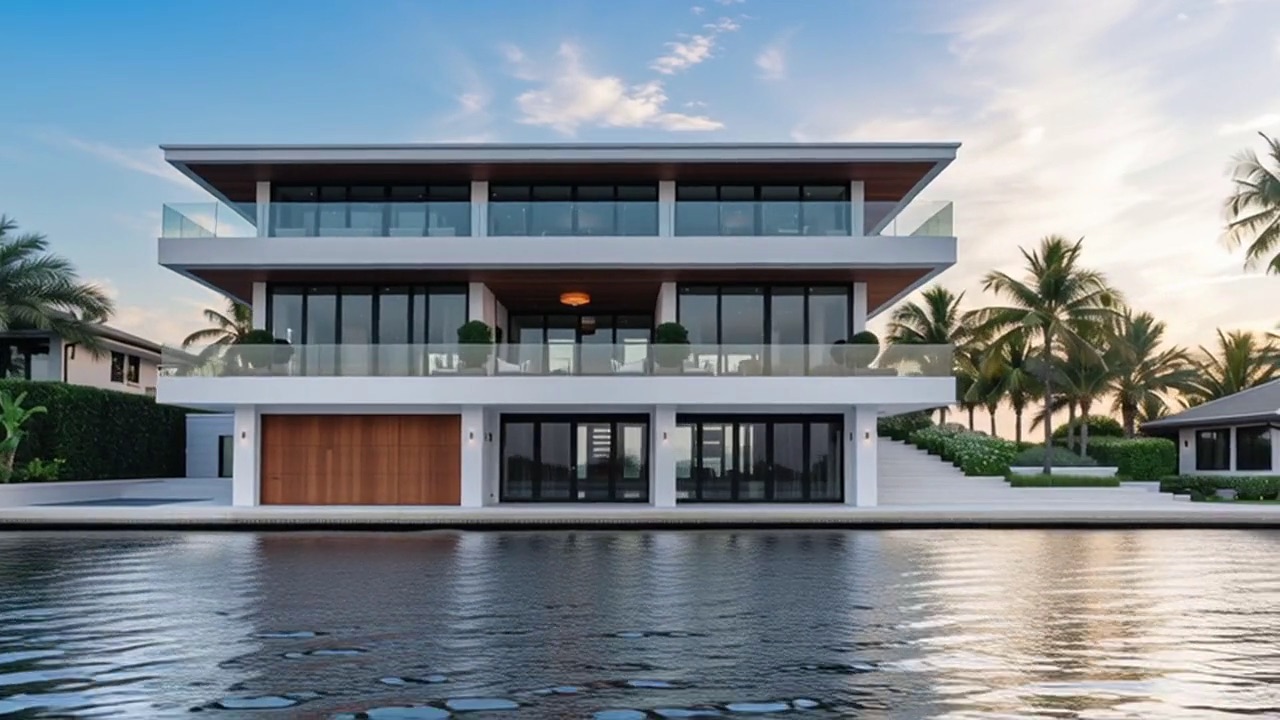
Home paths suited to the water.
Questions
Worth asking early.
Can a lagoon be built in a wetland?
Not in this direction. An amenity lagoon is engineered and can be built where the ground is dry, while a wetland is a living system that no lagoon replaces. So the lagoon goes on uplands and the wetland stays as protected landscape. Lagoons belong on uplands explains the reasoning.
What can you do in an amenity lagoon?
That is decided early, because it changes the engineering. Swimming, paddling, and small boats each call for their own depths, edges, water treatment, and supervision, and local health rules apply. Some lagoons are designed mainly for views and walking.
Who takes care of the water?
A lagoon needs continuous care: testing, filtration, cleaning, edge repair, and storm preparation. In each community, the responsible entity and the way that care is sustained are set out in its governing documents from the beginning.
Where things stand
Proposed for five Florida locations.
In pre-design with a building team and lagoon engineers. Images are artist visualizations.
Next step
Start with the water you want.
A planning brief organizes the essentials: the kind of water you want nearby, the region you are considering, and how you picture an ordinary day. It gives any first conversation a focused starting point.