Homes + packages
Every stage in view, before any contract.
A home package, as we are shaping it, lets you see the whole job before anyone commits to it: the concept, the professional work it needs, the people accountable for each stage, and the questions only a real site can answer.

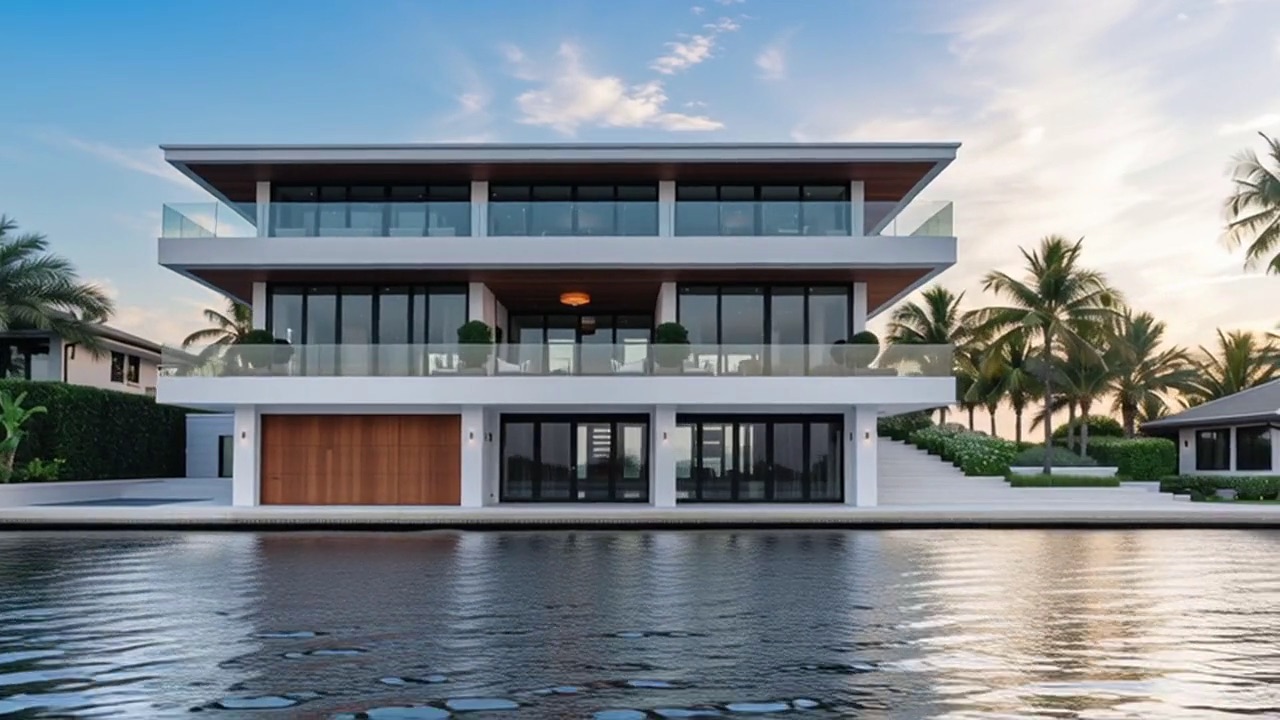

Artist visualization. Subject to change.
Why a package
A package makes the work visible early.
Many home projects reveal their true scope late: after the land is bought, after the drawings are paid for, sometimes after the foundation is poured. Surprises at that point are expensive and hard to undo.
The package model is designed to move that moment forward. It pairs a home concept with a mapped path, so you can see the design, engineering, site work, and permits a home requires, and who is responsible for each, before a construction contract exists.
Four paths
Begin from a concept, a setting, or a blank page.
Every path leads into the same disciplined process. What differs is where the first conversation starts.
- 01Modern residencesContemporary homes organized around daylight, shade, moving air, and rooms that open outdoors.Explore
- 02Signature villasLarger homes that start from a personal brief: hosting, privacy, arrival, water, and landscape.Explore
- 03Lagoon-front homesHomes at the water’s edge, where sun, wind, humidity, and drainage shape every detail.Explore
- 04Design your homeA short guided brief that turns your priorities into the first page of a design conversation.Explore
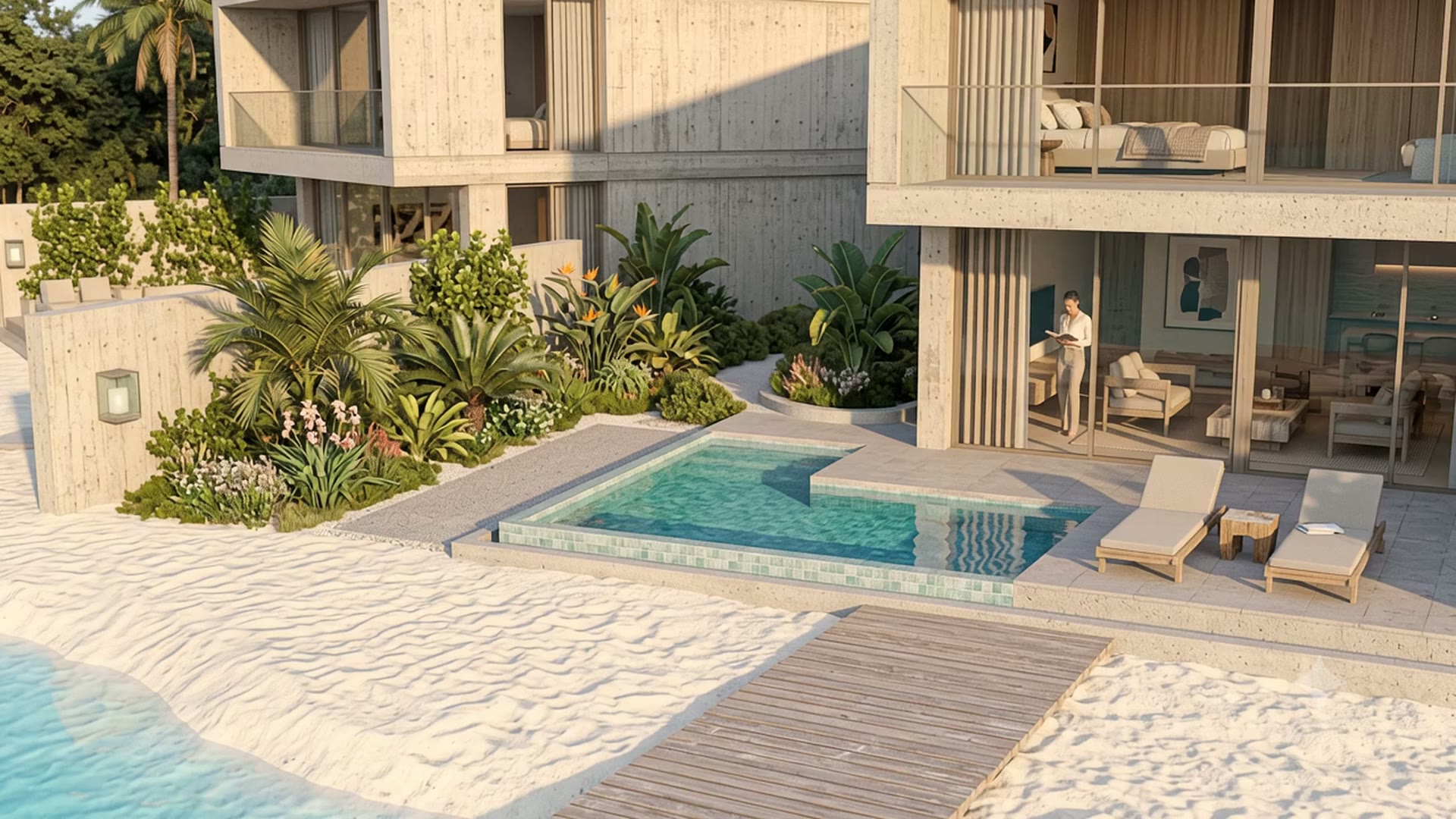
The path at a glance
One path behind every door.
A home moves through the same seven stages whichever path you start from. Stages overlap in practice, yet none can be skipped, and each has someone accountable for it.
The home path
What happens, in order, and who leads it.
Each stage settles a decision. The brief travels the whole way, so later choices can be checked against what you asked for at the start.
- 01
Brief
Describe how the home should work: the rooms, how you host, outdoor life, storage, the setting you have in mind, and what matters most. A brief records decisions before anyone draws.
WhoYou, with the planning team
- 02
Concept
The architect develops a concept, or adapts one from a package, and tests it against orientation, light, and massing. Changing a sketch costs far less than changing a wall, so this is the stage to ask for alternatives.
WhoAn architect
- 03
Site and feasibility
A survey, soil tests, the flood zone, utilities, and zoning rules show what a particular Florida lot allows. Wind and flood requirements can reshape a concept here, and it is far better to learn that now.
WhoEngineers and the local jurisdiction
- 04
Scope and team
The work is written down line by line, exclusions included, and the contractor who will be accountable for it prices a defined scope instead of a mood board.
WhoYou, the planning team, and a licensed contractor
- 05
Written agreement
Price, scope, schedule, payment terms, and warranty become commitments only in a signed contract, reviewed with your own attorney. If you finance the home, your lender sets the loan terms.
WhoYou, a licensed contractor, and a lender you choose
- 06
Build
Construction starts once permits are issued. The contractor builds to the permitted drawings, inspectors check the work at required points, and any change moves through a written change order.
WhoA licensed contractor and the local jurisdiction
- 07
Handover
The work closes with final inspections, the occupancy approval the jurisdiction requires, and a walkthrough with a punch list. Manuals, warranties, and maintenance notes are handed over with the keys.
WhoA licensed contractor, the local jurisdiction, and you
Scope you can see is scope you can decide.
Included, and not
What a package conversation covers, and what it cannot.
A package can make scope visible. It cannot make a site, a permit, or a price real. Those come only from a written agreement for one home on one site.
Covered in a package conversation
- The home concept, and how it fits the way you want to live
- The design, engineering, and site studies the concept will need
- Each stage from brief to handover, and the role that leads it
- What the package assumes is included, and what it leaves out
- Where the design is set and where it is yours to shape
- The site facts the concept depends on, and how to gather them
- The questions to settle before anything is priced
Only a written agreement can establish
- A specific home site, and the terms that apply to it
- Who obtains the permits, and for which drawings
- The construction contract and its exact scope
- Price and payment terms
- Start date, duration, and completion
- Financing terms, which only your lender can set
- Warranty terms, and who stands behind them
A package conversation is preparation. It is not a price, a proposal, or a commitment to build.
Who participates
Who does what, and what each one answers for.
Clear roles protect you. Each participant is responsible for its own work, under its own license or authority, and none speaks for another.
You
Set the brief, make the decision that closes each stage, choose your professionals and your lender, and sign only what you have reviewed with your own advisors.
The DubaiFlorida planning team
In the package model under development, would help shape the brief, explain each stage, and name the disciplines a home will need. It would not design, engineer, build, lend, price, or issue approvals.
An architect
Turns the brief into a design, coordinates the engineers, prepares the permit drawings, and can be engaged to observe construction.
Engineers
Geotechnical, civil, structural, and systems engineers study the ground and design the structure, drainage, and equipment that keep a home standing, dry, and comfortable. Each seals only the work their license covers.
A licensed contractor
Prices a defined scope, holds the construction contract, obtains permits where the contract assigns them, runs the site, and stands behind the warranty the contract sets.
A lender you choose
Explains loan options, reviews your application, and makes any lending decision. That authority belongs to a licensed lender alone, never to this site. How financing works lists the questions worth asking.
The local jurisdiction
Applies zoning and building codes, reviews plans, issues permits, inspects the work, and grants the final approval to occupy.
Where things stand
Packages are a model in development.
Images are artist visualizations, and a home becomes real only through written agreements.
Next step
Start with a home brief.
Note the setting, the kind of home, and your timing. The planning brief gathers them on one page you can print and bring to a first conversation.