Plenty of plazas are handsome and empty. They photograph well from above, where the paving pattern reads as design, and poorly at eye level, where there is nowhere to sit, no shade, and nothing to do. The drawing looked generous. The built space feels like a gap between buildings.
A useful plaza is judged by a humbler test: do people come back on an ordinary day, with no event to draw them? The plazas and shared courtyards that pass that test tend to have four things in common. They are comfortable, they have a purpose, their edges are alive, and someone looks after the small routines that turn a place into a habit.
Comfort before composition
Comfort starts with a place to sit, in more than one form: benches with backs, movable chairs, ledges at sitting height, broad steps. People tend to choose seats with something behind them, a wall, a planter, a tree trunk, and a view of activity in front. Movable chairs matter more than they seem to, because they let each person adjust the place slightly: into the shade, toward a friend, out of the wind.
Then shade. In a warm climate it is the difference between a square people hurry across and a square where they stay. A canopy of trees, an arcade along one side, or a covered pavilion does that work. At night, lighting should let people recognize a face across the space rather than flood it like a parking lot. Drinking water, shelter from wind, and surfaces that do not hold the afternoon heat complete the list.
A reason to be there
A plaza needs a reason to cross it and a reason to stay. The first comes from location: a good plaza sits on the way to somewhere, between homes and a café, near a transit stop, beside the bakery. The second comes from anchors, such as tables outside a café, a small weekly market, a reading room, or a fountain low enough to invite a hand.
The most useful anchors work at different hours. A place that serves coffee in the morning, shade at lunch, and a table at dusk stays occupied across the day, and occupation draws more of the same. A plaza whose only anchor closes in the late afternoon is empty by evening.
A plaza sized for its busiest day is empty on every other day.
Edges do most of the work
A plaza is only as good as what surrounds it. Ground floors with doors and windows facing the space, cafés that spill onto it, and homes with balconies overlooking it keep a plaza watched and busy. Blank walls, garage entrances, and service doors do the opposite, however fine the paving.
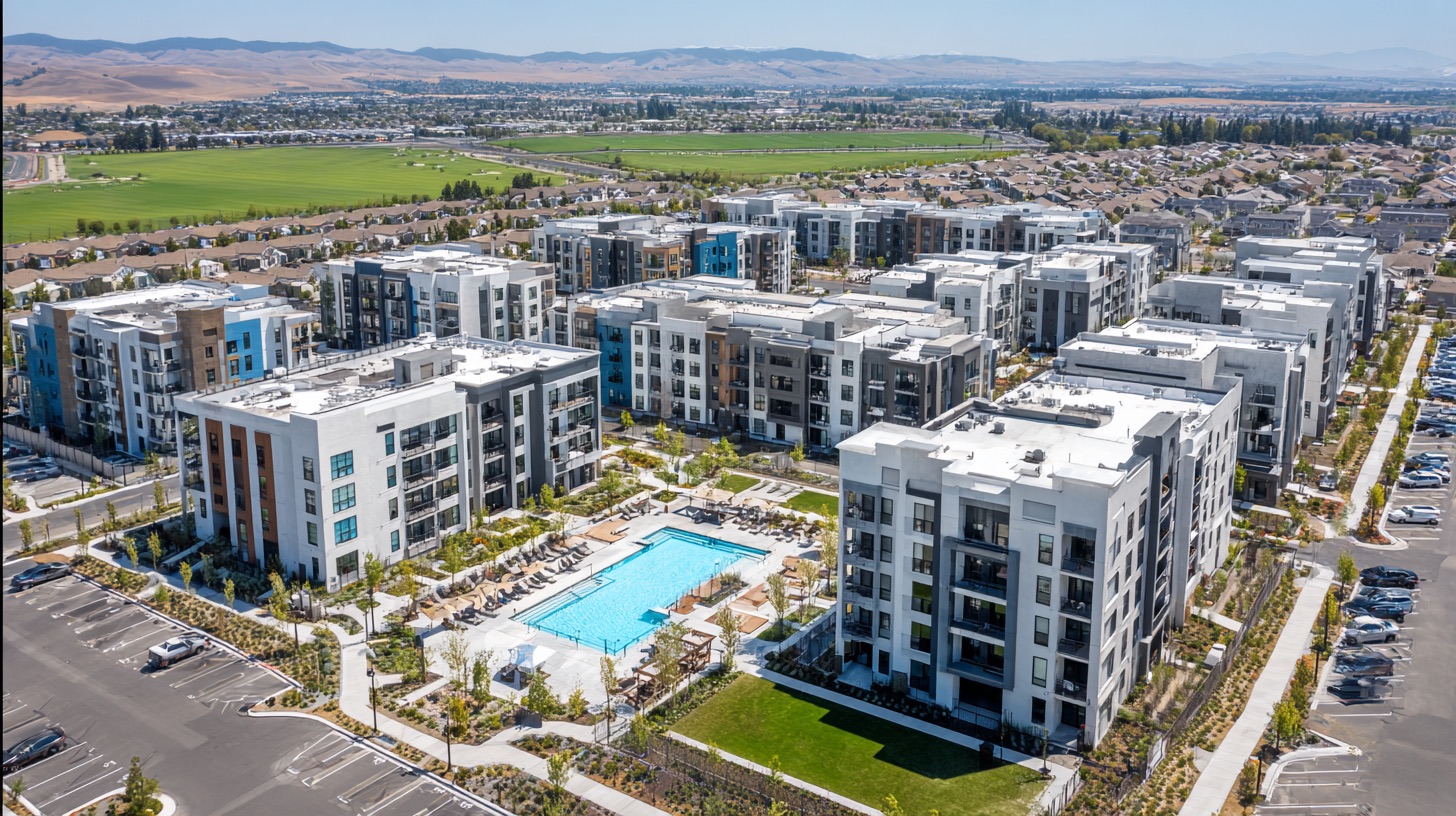
Size is an edge question too. A plaza sized for its busiest day is empty on every other day. Smaller spaces, framed closely by active buildings, feel full with fewer people. The same logic holds for a shared courtyard inside a residential block: a modest space overlooked by homes, shaded and clearly meant for something, will see more use than a grand one tucked behind the buildings.
Routines and care
Habit is built from repetition: the same table in the morning, the café that opens early, the market that sets up on the same day each week. Programming works best when it is light and regular rather than rare and spectacular. A festival is pleasant once in a while, but the routine is what makes a place part of someone’s week.
Routine depends on care. Someone has to put out the movable chairs, empty the bins, fix the broken light, water the new trees through their first hot seasons, and keep the rules generous enough that sitting and lingering are welcome. That work belongs in the plan from the start, with an owner and a way to pay for it.
The walkable direction explores the plaza as the center of a daily walk. Shared space inside taller buildings is part of vertical living.
Editorial content for general information only. It is not legal, financial, tax, or engineering advice.