The idea has many names, and most of them invite arguments about stopwatches. Underneath the names is a question about proximity. How many of a week’s ordinary errands could be done from home on foot or by bicycle: groceries, coffee, a pharmacy, a clinic, a park, a place to work for an afternoon, a place to sit outside and run into a neighbor?
Where those things sit close together, daily life involves less driving, and streets fill with people doing unremarkable things, which is most of what makes a neighborhood feel alive. Drawn as rings around a center, the idea looks tidy. Built, it becomes a series of specific decisions about land use, streets, and time.
What the idea asks for
Proximity starts with a mix of uses. Homes need to be near the things people do every day, which means shops, services, and places to work are planned into the neighborhood rather than pushed to its edges. That mix only holds together when enough people live nearby to keep a café or a grocer busy. Shops survive on footsteps.
It also asks for connected streets. Short blocks and many routes make a walk direct, while a maze of dead ends turns a short distance into a long trip. And it asks for comfort: continuous sidewalks, shade, short and clearly marked crossings, places to rest, and a center where activity gathers, whether that is a main street or a plaza.
A plan can make a short walk possible. It cannot make anyone take it.
Translating it
In much of Florida, the prevailing pattern separates uses. Homes sit in one place, shopping lines a busy road in another, offices cluster somewhere else, and the car fills every gap. The translation does not ask anyone to give up a car. It asks that the car become optional for the short trips, the coffee, the prescription, the evening walk, while it stays useful for the long ones.
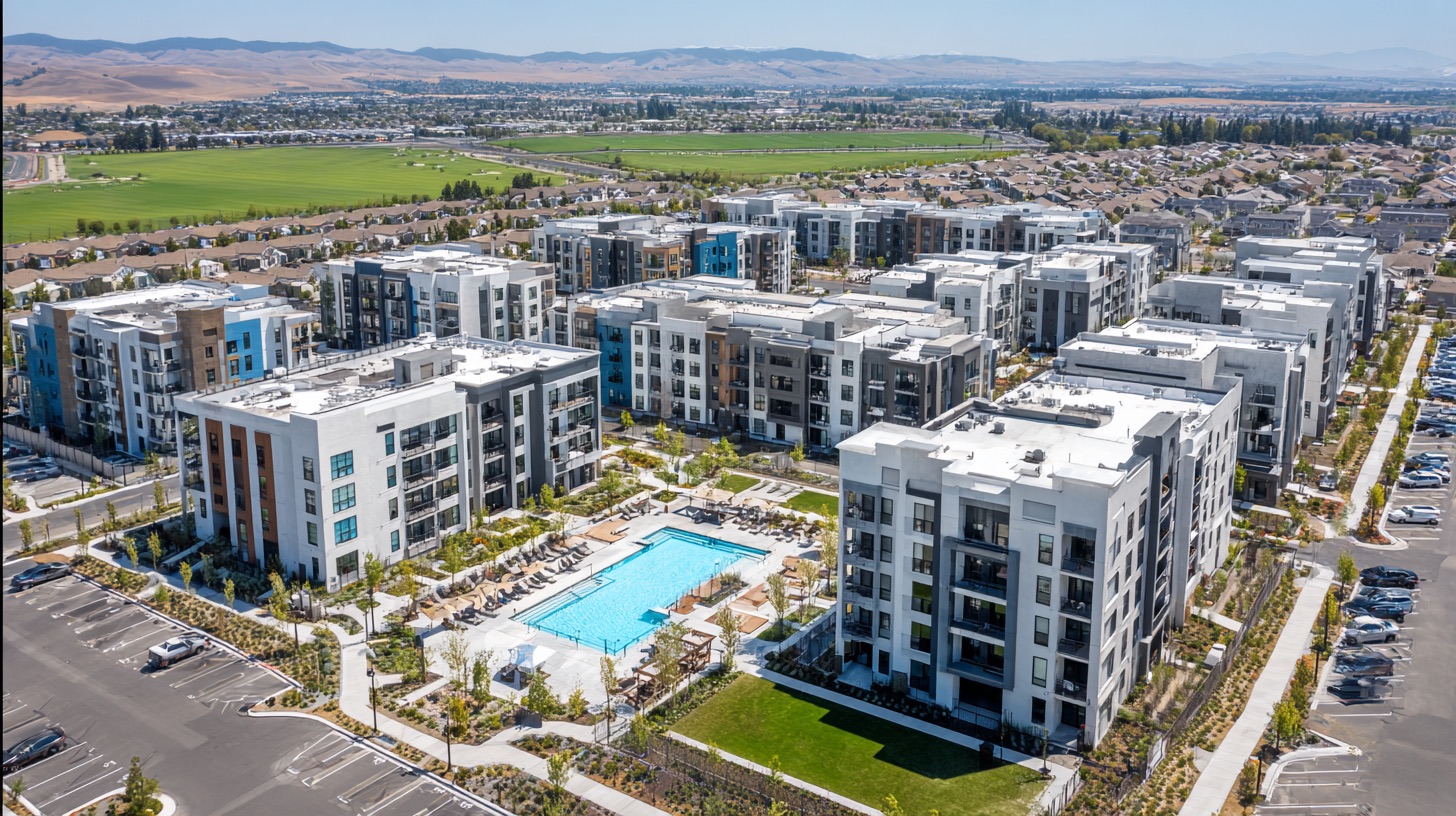
In practice that can mean a neighborhood center within a comfortable walk of most homes, a main street instead of a strip of parking lots, parking placed behind buildings rather than in front of them, paths that connect one cul-de-sac to the next, and bicycle routes that tie into the wider town. In a hot climate it also means shade, and a center designed for evening life, when walking is most pleasant.
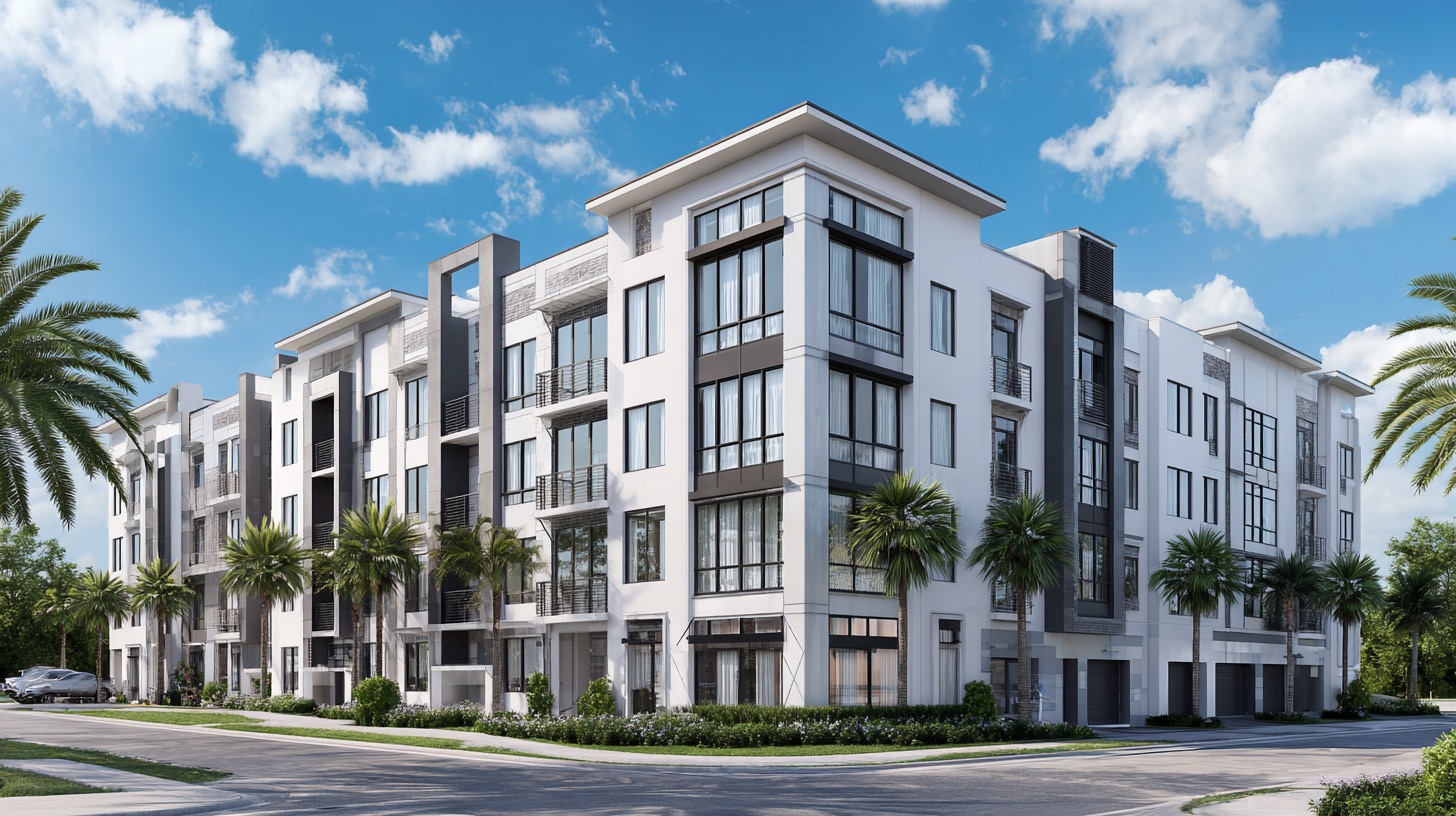
A range of home formats helps the center work, from apartments above shops to houses a few streets away, because more homes within walking distance mean more footsteps for the businesses that make the walk worthwhile.
The honest limits
The idea covers daily needs, not all needs. Hospitals, large employers, airports, and specialty shopping will stay a drive or a ride away, and so will many workplaces. A plan should say so rather than imply otherwise.
Shops cannot be willed into existence. A neighborhood center depends on enough people living and working nearby, and on businesses choosing to open and deciding to stay. Early on, some ground floors may sit quiet before the right businesses arrive.
Climate sets limits too. On a hot summer afternoon, walking is uncomfortable however good the sidewalk, and shade can only do so much. Much of what makes proximity work, from transit service to regional roads to the zoning of surrounding land, sits outside any single plan.
So the idea is a direction, not a promise. A plan can make a short walk possible. It cannot make anyone take it, and it cannot decide which businesses open, or when.
The walkable direction explores what this can look like as a community concept, one of the community directions on this site.
Editorial content for general information only. It is not legal, financial, tax, or engineering advice.