We call roads, pipes, and power lines infrastructure because nothing else works without them. In a hot place, shade belongs on the same list. A terrace without shade is a photograph. A plaza without it empties by late morning. A sidewalk without it becomes a trip people make by car.
Shade usually arrives late, as a product chosen after the building is drawn: an umbrella, a fabric sail, a trellis kit. Treated that way, it lands in the wrong places and struggles in the first strong wind. Treated as infrastructure, it begins with the site plan and shapes the buildings rather than decorating them.
Start with the sun
The sun’s path is known before anything else about a project, and it should be the first drawing on the table. In the Northern Hemisphere, a south face takes high midday sun that a horizontal overhang can block. East and west faces take low, direct sun early and late in the day, and no reasonable overhang stops it. Those faces need vertical fins, screens, deep porches, or trees.
Orientation follows from that. Long building faces can turn away from the west. Outdoor rooms can sit on the side that falls into shade in the afternoon. Streets and walks can be aligned so buildings shade them for part of the day, and a plaza can be placed where it will be comfortable at the hours people are most likely to use it. A simple sun study, drawn for the hottest months and the busiest hours, settles more arguments than any rendering.
A terrace without shade is a photograph.
Overhangs, trees, and moving air
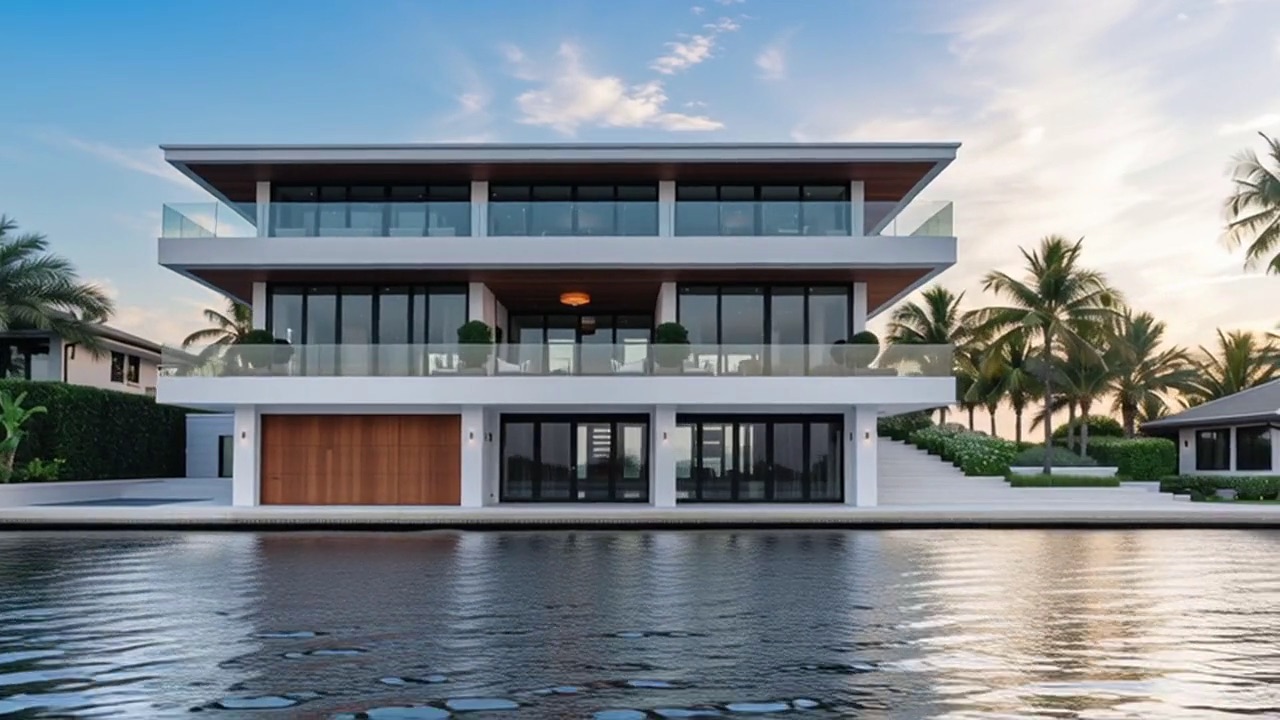
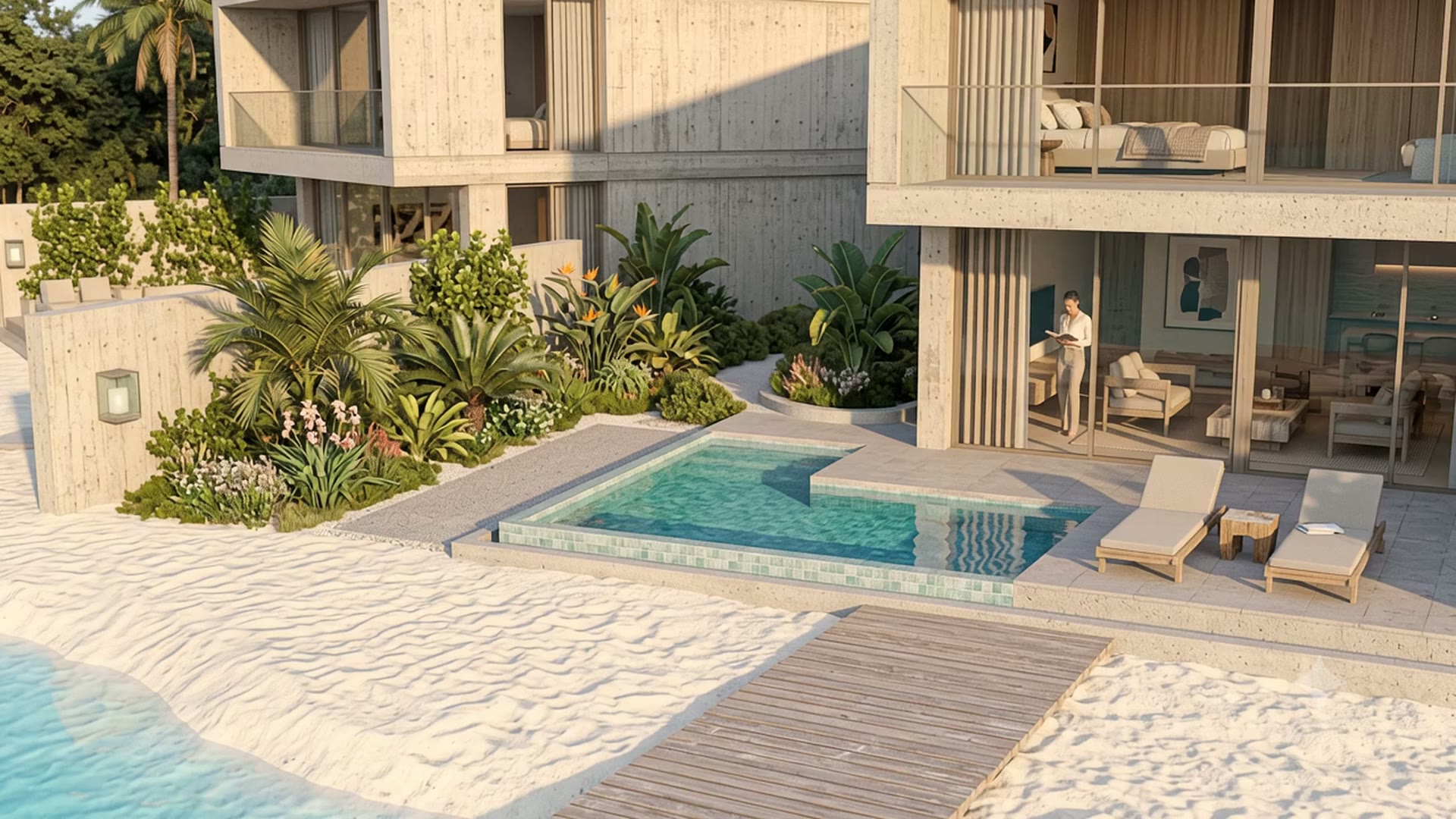
Deep roof edges and balconies do two jobs at once, sheltering the room below from sun and from rain. Covered walks link one patch of shade to the next, so a short errand does not become a crossing of open pavement. The most comfortable outdoor spaces tend to be layered: a covered room, then a trellis or a canopy of leaves, then open sky.
Trees are the most effective shade over pavement, and the slowest to deliver it. They need generous soil, water while they establish, species suited to the climate, and a place in the plan where people actually walk and wait, not wherever space was left over. Planting early is one of the few decisions in a project that keeps improving long after the builders have left.
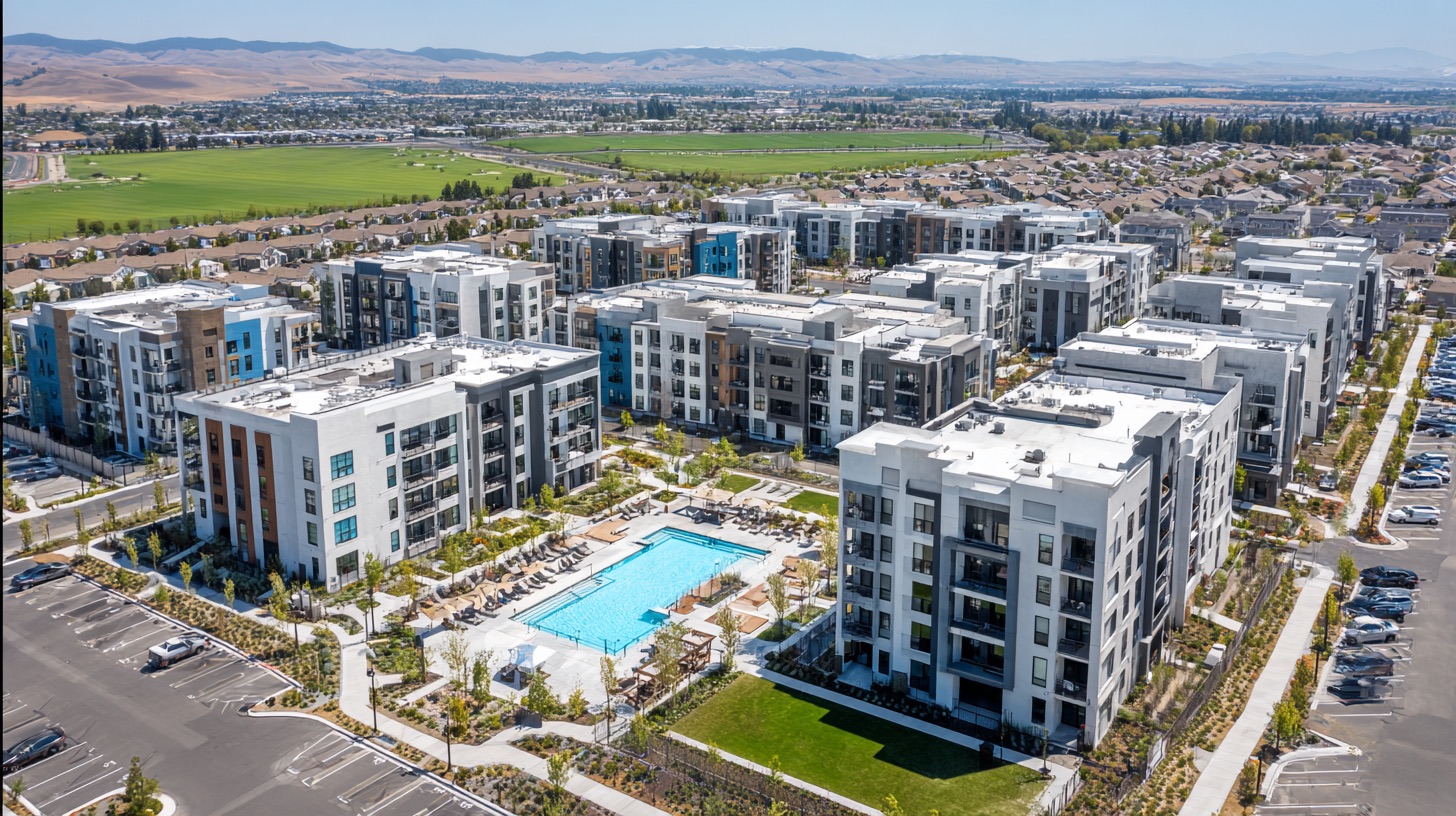
At the scale of a neighborhood, the same logic produces arcades along shopfronts, shaded stops for buses and shuttles, and street trees whose branches meet over the pavement. None of these is remarkable alone. Together they decide whether a place can be walked in the middle of the day.
Shade lowers the heat that radiates from surfaces. Moving air makes the shade comfortable. In humid climates that matters even more, because the body cools itself less easily when the air is already damp. Cross-ventilation begins in plan: openings on opposite sides of a room, breezeways between buildings, porches with ceiling fans, and taller ceilings where the design allows.
Materials for the whole climate
Shade that works in a brochure has to work in the actual weather. Pale roofs and paving reflect heat rather than storing it. Surfaces near outdoor seating should stay cool enough to touch. In humid air, materials need to dry out between rains, which favors ventilated cladding, generous drips and overhangs, and details that shed water rather than trap it. Fabric, wood, and metal each weather differently, and the choice should follow how often someone will realistically maintain them.
Florida asks for more. Shade structures have to be engineered for storm winds and anchored properly, and fabric should be designed to come down before a storm arrives. Near the coast, fasteners, railings, and fittings need metals and coatings that resist salt air, along with a maintenance plan that expects them to need attention. A shade strategy borrowed from a dry climate will not survive a Florida summer unchanged.
The modern residences page shows how light, air, and shade shape a contemporary home. The same thinking, applied to streets and plazas, runs through the walkable direction.
Editorial content for general information only. It is not legal, financial, tax, or engineering advice.